
 ไทย
ไทย
| Equipment | Function |
|---|---|
| Elbow | Changes the direction of the pipe |
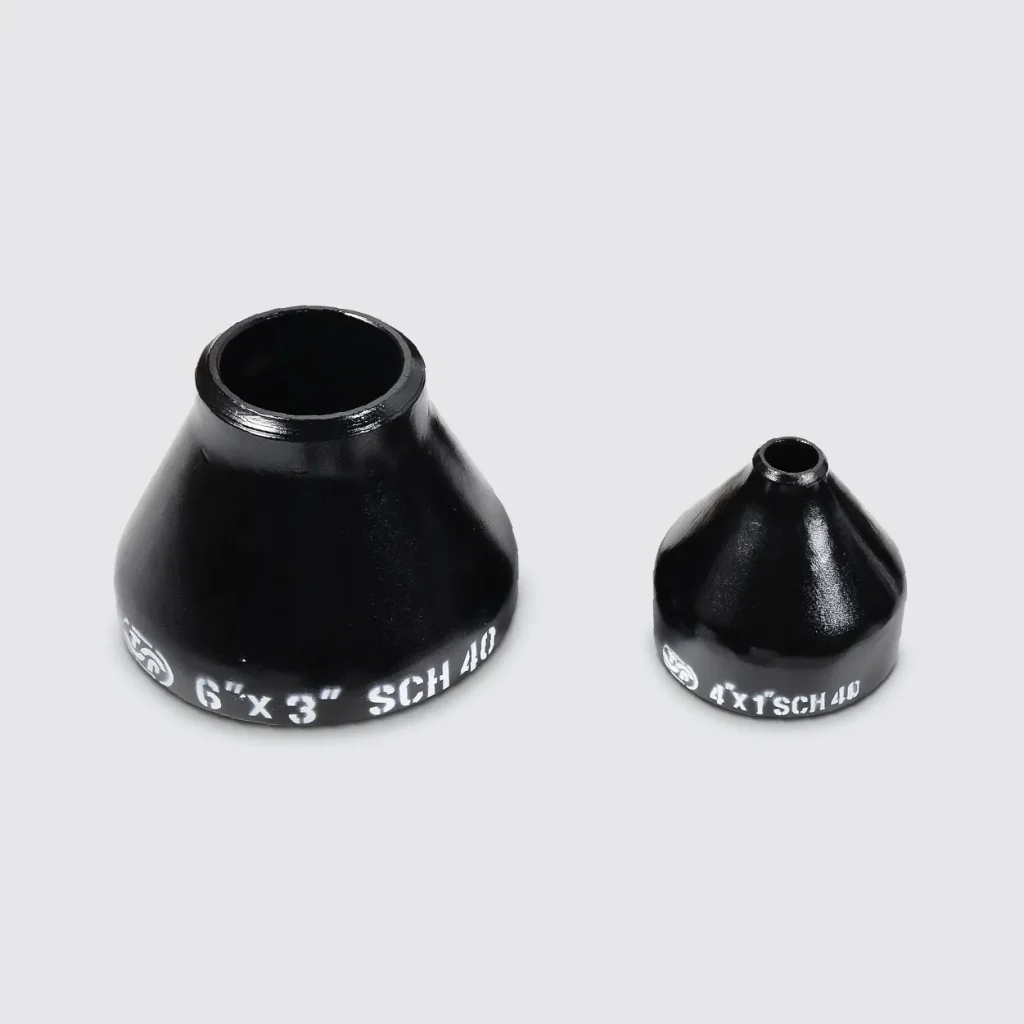
| Reducer | Reduces the pipe size |
| Cap | Closes the end of the pipe |
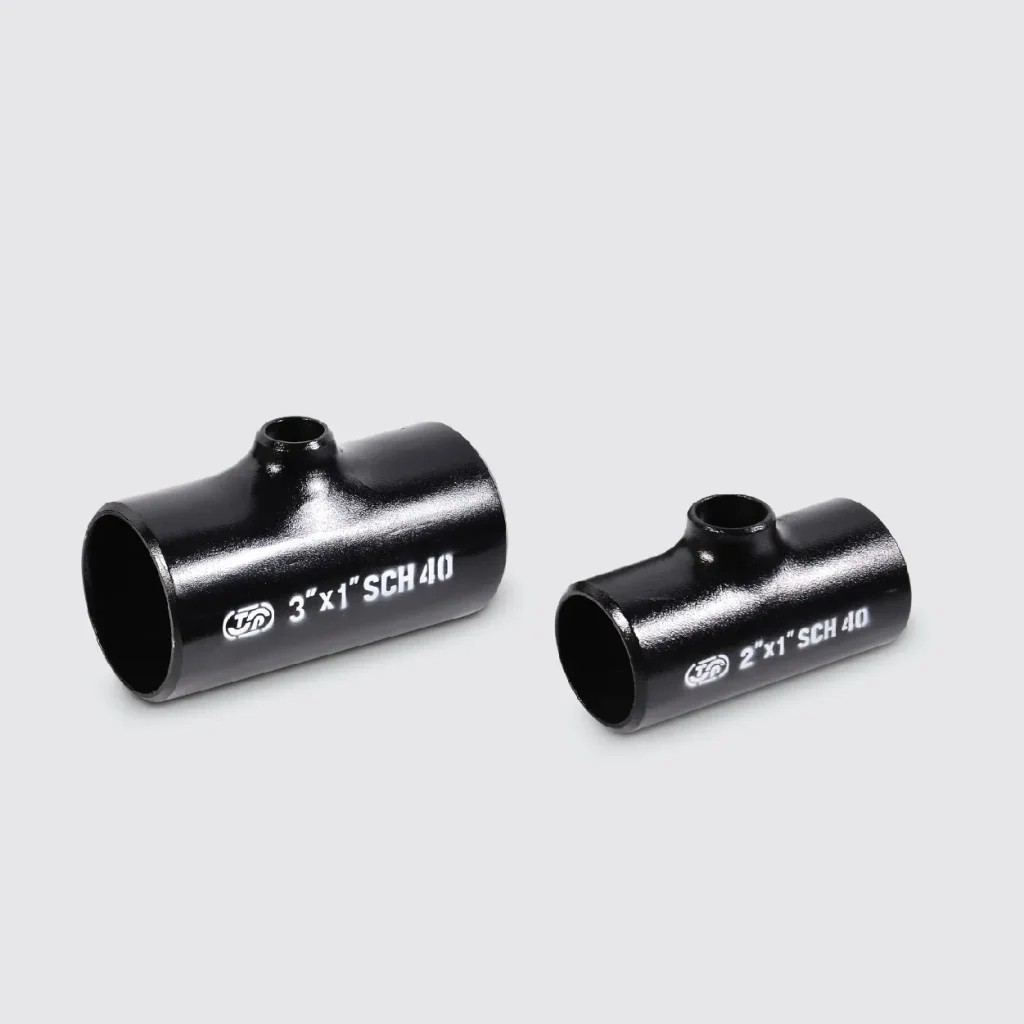
| Tee | Splits or combines pipe flow |
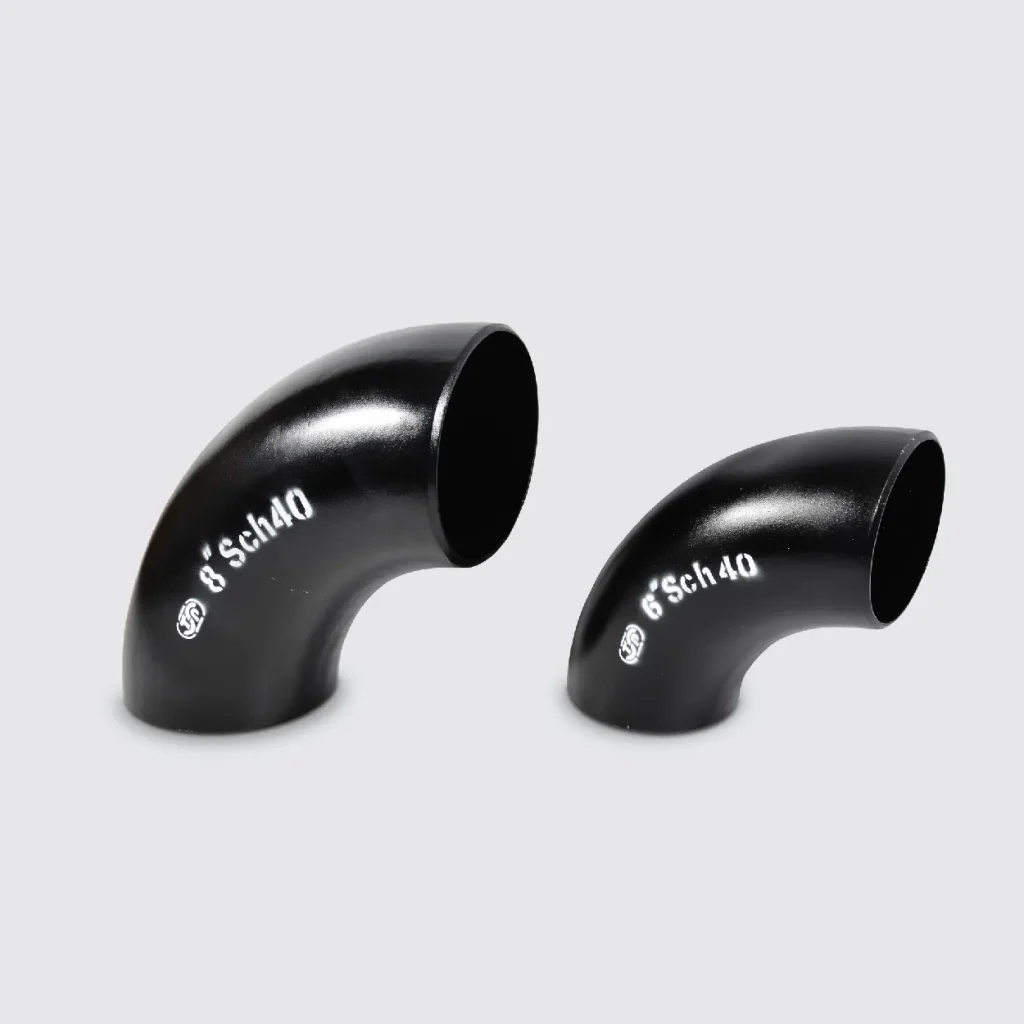
| 1. Elbow | |
|---|---|
| Name | Elbow |
| Function | Used to change the direction of liquid or gas flow within a pipeline. |
| Common Angles | 45°, 90°, 180° |
| Example | If a water pipe runs straight and needs to turn into a wall, a 90° elbow is used. |
| 2. Reducer | |
|---|---|
| Name | Reducer |
| Function | Used to change the pipe size from large to small, or from small to large. |
| Benefits | Helps adjust the flow rate and velocity of the fluid. |
| Two Main Types | • Concentric Reducer (ศูนย์กลางตรงกัน) • Eccentric Reducer (ศูนย์กลางเยื้องกัน) |
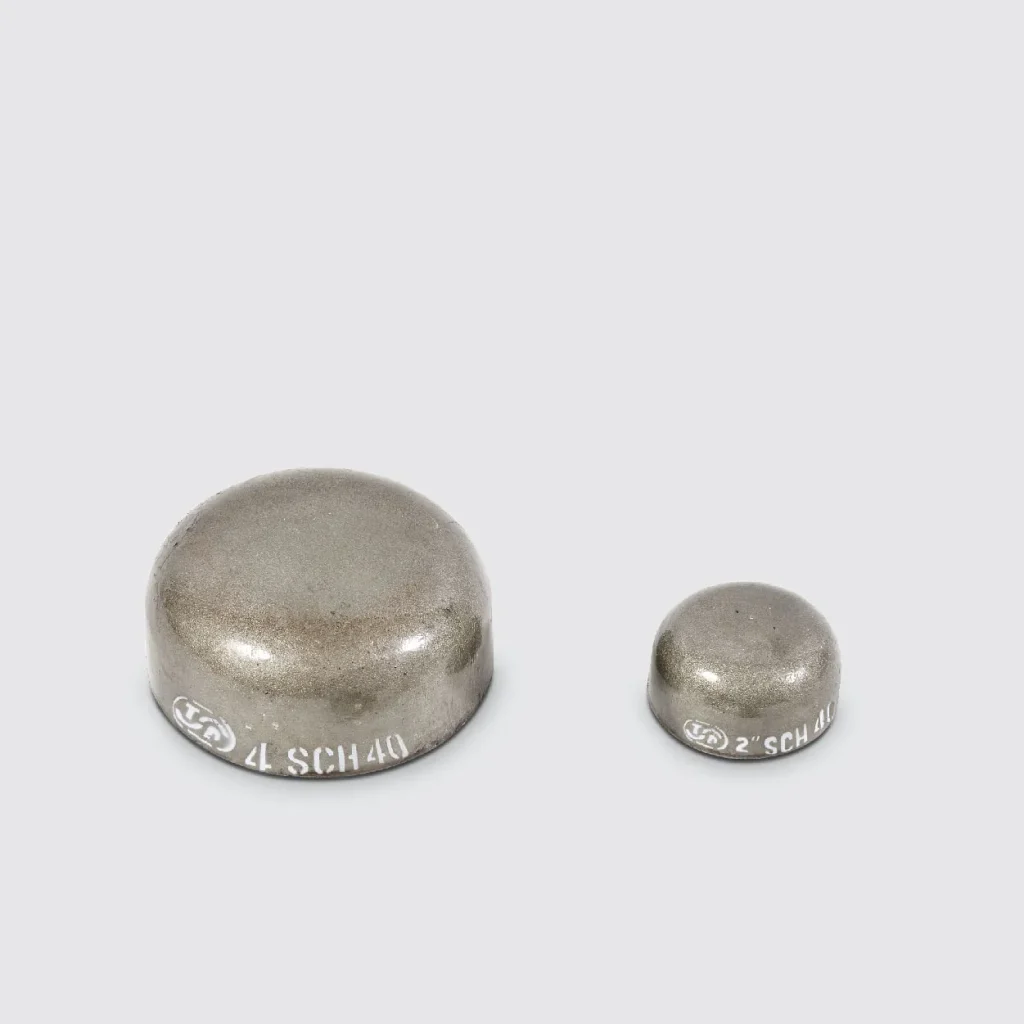
| 3. Cap | |
|---|---|
| Name | Pipe Cap |
| Function | Used to seal or close the end of a pipe. |
| Application | Used at the dead-end of a piping system or reserved for future expansion. |
| Advantages | Prevents leakage and stops contaminants from entering the pipe. |
| Example | An unused or blind end of a manifold/header pipe. |
| 4. Tee | |
|---|---|
| Name | Pipe Tee |
| Function | Used to split or combine pipeline flows. |
| Appearance | Shaped like the letter “T”. |
| Application | Commonly used to branch off pipelines to various service or consumption points. |
| Example | A 6-inch main line branching off into a 2-inch pipe to supply a machine. |